The Bath Spondyloarthritis (SpA) Biobank
A database storing routine clinical information for consenting patients with axSpA, used to investigate which genetic, clinical, or biological factors influence disease severity and treatment outcomes. Clinical assessments, questionnaires, and blood biomarkers are all held within the biobank to improve diagnosis, severity assessment, and treatment response.
The Sir Halley Stewart Trust Project
Reviewing the evidence base for digital self-management interventions in rheumatic and musculoskeletal disease, alongside routine-care data on whether the Project Nightingale app affects outcomes, self-efficacy, exercise motivation, or medication adherence.
Spinal joint forces & disease progression
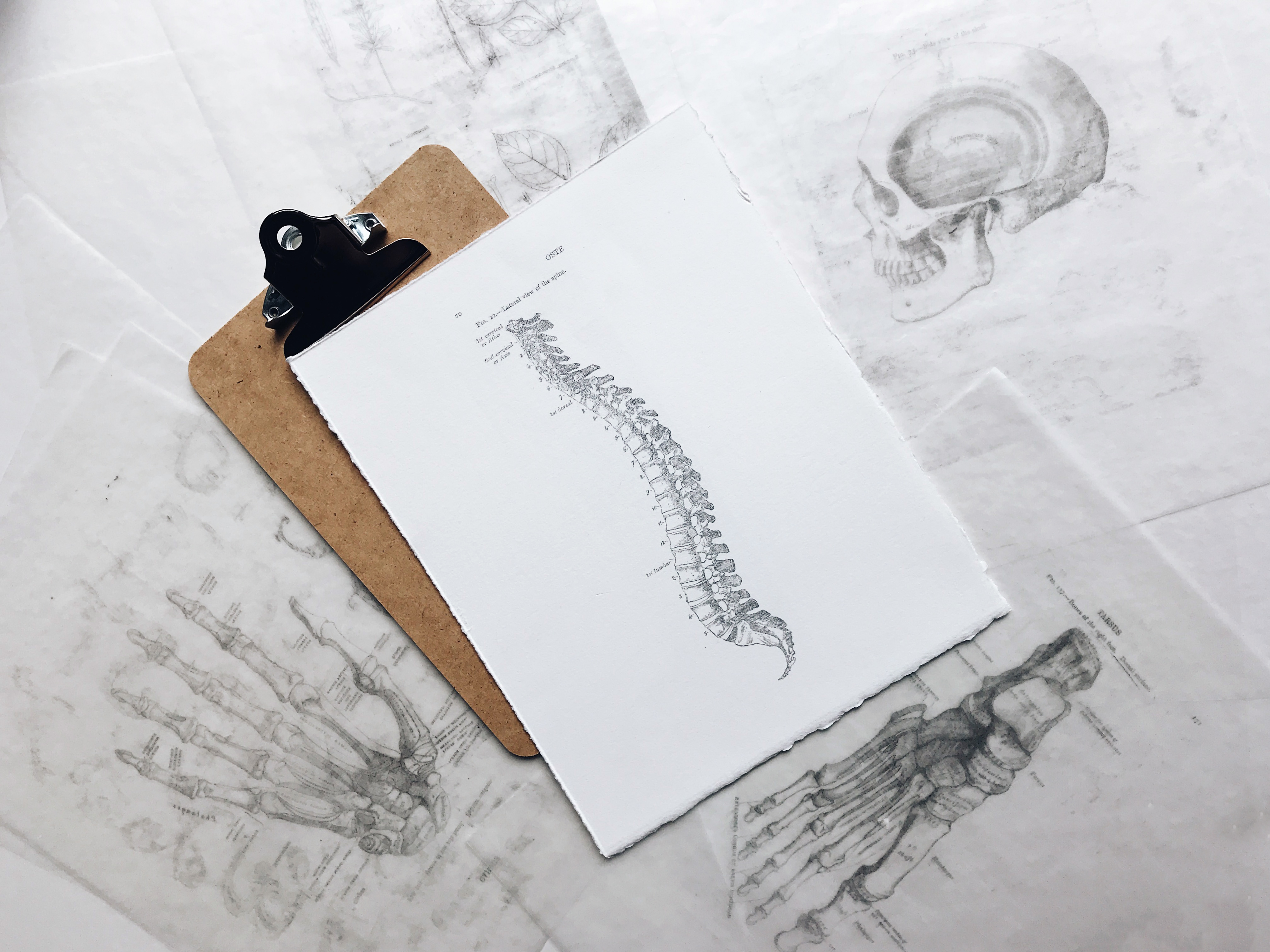
Using 3D ultrasound to build patient-specific virtual spinal models, estimating vertebral joint forces and muscle contributions to movement, and comparing them against X-ray and mSASSS progression data.
PaxSpA — Physiotherapy in Axial Spondyloarthritis
Identifying the most effective non-pharmacological therapies at different stages of axSpA, and their impact on disease activity, spinal mobility, and function.
Project Nightingale
A self-management study using the uMotif app to track pain, fatigue, sleep, stress, and exercise day to day — supporting research such as predicting flares, and working toward personalised axSpA management.
PROMISE — Prognostic markers in axSpA
A cross-sectional study of serum biomarkers in axSpA, mechanical back pain, and healthy controls, exploring their role in diagnosis, prognosis, and treatment monitoring.
COMPASS
Two linked projects examining what remission looks like in axSpA, and how the RNHRD's two-week AS rehabilitation course affects the natural progression of the disease.